| Feature |
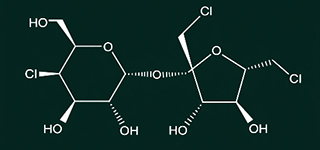
Sucralose |
Steviol Glycosides (Stevia / Reb M) |
Aspartame |
Acesulfame K (Ace-K) |
Erythritol |
| Source |
A synthetic sweetener made from sucrose |
Natural glycosides extracted from stevia; Reb M is a specific high-intensity component |
A dipeptide methyl ester synthesized from aspartic acid and phenylalanine |
A chemically synthesized potassium salt of an oxathiazinone heterocycle |
Naturally present in melons, mushrooms and other foods; mainly produced through microbial fermentation of glucose |
| Production Method |
Selective chlorination of sucrose |
Extracted from stevia, followed by enzymatic conversion or chromatographic separation to obtain high-purity Reb M |
Chemical synthesis |
Chemical synthesis |
Microbial fermentation |
| Relative Sweetness (Compared with Sucrose) |
400–800 times |
200–350 times |
180–220 times |
200 times |
0.6–0.7 times |
| Sweetness-to-Price Ratio |
0.1–0.3 |
1.5–4 |
0.1–0.25 |
0.05–0.15 |
5–12 |
| Sweetness Profile |
Clean sweetness, very close to sucrose, with very little bitter aftertaste |
Clean sweetness with a fast onset and much less bitter aftertaste than ordinary steviol glycosides |
Clean sweetness close to sucrose, but with a metallic or bitter aftertaste |
Fast sweetness onset, but with an unpleasant bitter aftertaste |
Clean sweetness with an obvious cooling sensation |
| Caloric Value (Sucrose: 4 kcal/g) |
Approximately 0 kcal/g |
Approximately 0 kcal/g |
Approximately 4 kcal/g; actual contribution is negligible because the usage level is very low |
0 kcal/g |
0–0.2 kcal/g; almost not metabolized |
| Effect on Blood Glucose |
No effect |
No effect |
No effect |
No effect |
No effect |
| GI Value (Sucrose: 68) |
0 |
0 |
0 |
0 |
0 |
| Stability |
Extremely high; resistant to heat, acid and storage |
High; resistant to acid and heat |
Poor; decomposes and loses sweetness under high-temperature and acidic conditions |
High; resistant to heat and acid |
Extremely high and very stable |
| Water Solubility at 25°C |
28.2 g/100 mL |
0.1–2 g/100 mL |
1 g/100 mL |
27 g/100 mL |
58.7 g/100 mL |
| Functional Characteristics |
Bulking-type, high-intensity sweetener and anti-caries ingredient |
High-intensity sweetener |
High-intensity sweetener |
High-intensity sweetener |
Provides a cooling sensation, volume and texture, with low hygroscopicity |
| ADI (Based on Body Weight) |
15 mg/kg |
4 mg/kg, calculated as steviol equivalents |
40 mg/kg |
15 mg/kg |
Single intake: <35 g |
| Main Applications |
Beverages, baked foods, dairy products, confectionery and pharmaceuticals |
Beverages, dairy products, confectionery and tabletop sweeteners |
Beverages, especially carbonated beverages, chewing gum and tabletop sweeteners |
Often blended with aspartame and other sweeteners; used in beverages, confectionery and jams |
Confectionery, beverages, tabletop sweeteners and baked foods |
| Flavor Synergy |
Good; enhances fruit aroma |
Good; blending with other sweeteners can optimize mouthfeel |
Good |
Excellent; often blended with other sweeteners to produce a synergistic effect |
Good; can suppress bitter aftertaste |
| Allergen |
No |
No |
No |
No |
No |
| Regulatory Approvals |
National Health Commission, FDA, EFSA, Ministry of Health, Labour and Welfare, WHO, JECFA, Health Canada and others |
National Health Commission, EFSA, JECFA, FDA, Health Canada, Food Standards Australia New Zealand and others |
National Health Commission, FDA, EFSA, Ministry of Health, Labour and Welfare, Food Standards Australia New Zealand, Health Canada, JECFA and others |
National Health Commission, FDA, WHO, EFSA, JECFA, Food Standards Australia New Zealand, Ministry of Health, Labour and Welfare and others |
National Health Commission, FDA, EFSA, WHO, JECFA and others |
| Number of Countries Where Used |
>100 |
>100 |
>100 |
>100 |
>60 |
| Number of Existing Products |
Extremely large; one of the most widely used high-intensity sweeteners worldwide |
Rapidly increasing |
Extremely large, but decreasing because of health-related controversy |
Many; mainly used as a blending ingredient |
Many; a popular natural sugar substitute |
| Key Limitations and Considerations |
May affect the structure of certain foods at high temperatures |
High cost; the scope of regulatory approval varies by country |
Prohibited for patients with phenylketonuria and must be declared on the label |
Often needs to be blended with other sweeteners to mask its bitter aftertaste |
Excessive intake may cause gastrointestinal discomfort, but tolerance is better than with other sugar alcohols |
| Storage Conditions |
Room temperature and dry conditions |
Room temperature and dry conditions |
Cool, dry and protected from light |
Room temperature and dry conditions |
Room temperature and dry conditions; low hygroscopicity |