

【Brain Health Ingredient Series 1】Phosphatidylserine(PS): The “Natural Brain Nutrient”for Memory Protection
Mar. 26, 2026
1. What is Phosphatidylserine (PS)?
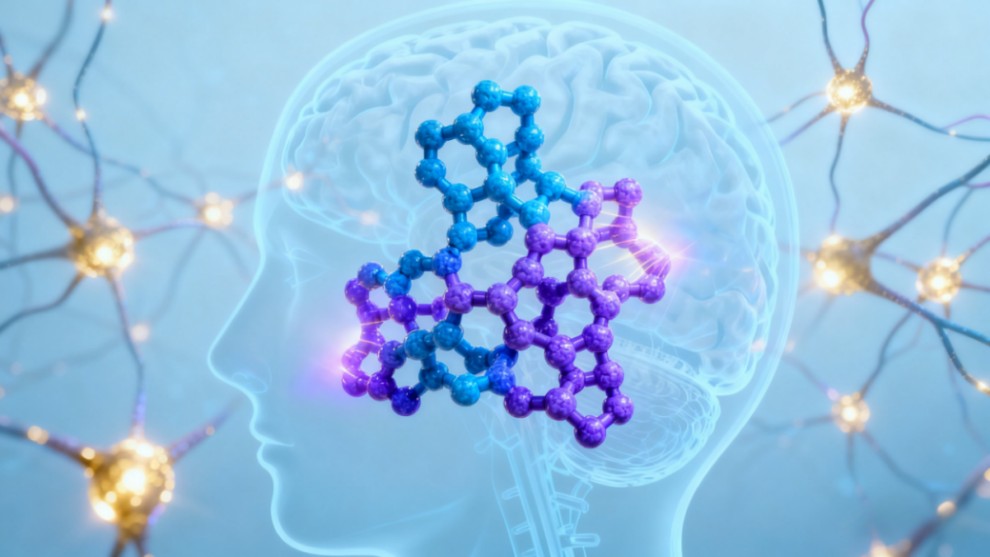
PS is a natural glycerophospholipid containing a phospho-serine head group. It was first isolated from cow brains in 1942 by Harvard neuroscientist Jordi Folch [4]. As one of the key structural components of cell membranes, PS is particularly abundant in brain neurons and is the only phospholipid molecule that can directly regulate membrane protein function [9]. Research has shown that PS supports normal brain function by enhancing membrane fluidity, promoting glucose metabolism, increasing enzyme activity, and increasing the number of synapses [16]. For this reason, it is referred to as a “natural brain nutrient.”
2. Basic Properties
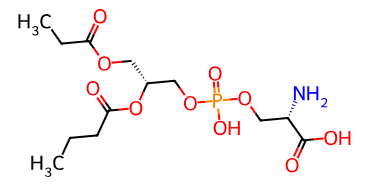
(Image source: ChemSpider)
PS appears as a white to pale yellow powder with emulsifying properties. It is dispersible in water and soluble in chloroform, ether, and petroleum ether, but is almost insoluble in ethanol and methanol. Synthetic PS is soluble only in chloroform. Unlike phosphatidylcholine, PS cannot be fully synthesized in the body. Due to the risk of mad cow disease from early bovine sources, alternatives such as soybeans, sunflower, and marine organisms are now commonly used. The most common methods of production are enzyme-catalyzed biosynthesis and chemical synthesis.
3. Functional Benefits
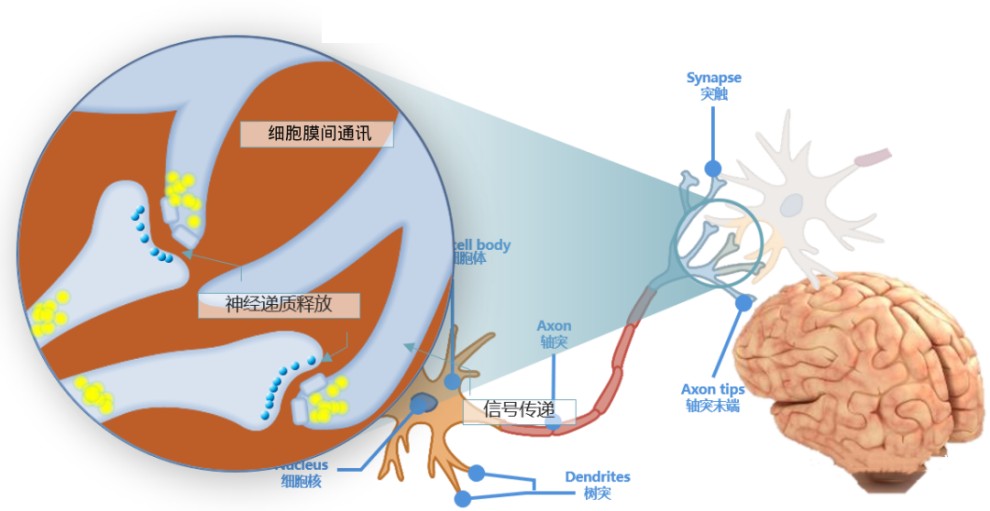
(Image source: Food and Beverage Innovation Research)
● Enhance Brain Function and Development
The core mechanism behind learning and memory retention is the dynamic formation and reinforcement of synaptic connections between neurons. PS can enhance brain cell activity by increasing the number of synapses [19], enhancing membrane fluidity, and promoting glucose metabolism in brain cells, thus improving learning capacity and short-term memory retrieval efficiency.
● Repair Brain Damage and Improve Cognition and Memory
PS is a key component of brain nerve tissue and can effectively cross the blood-brain barrier. Its core functions include: 1) relaxing capillary smooth muscle cells in the brain to promote cerebral blood flow [20]; 2) activating multiple enzyme activities in the brain, delaying the degradation of neurotransmitters, thus aiding in the repair of damaged brain cells, renewing neural cells, and clearing metabolic waste. [6] On a physiological level, PS has an auxiliary effect on improving ADHD symptoms in children [7,11,13] and shows potential in intervening with age-related memory decline and Alzheimer's disease[8,10,14].
● Relieve Mental Fatigue and Reduce Stress
PS can promote the release of key neurotransmitters, including serotonin, norepinephrine, dopamine, and acetylcholine. This accelerates signal transmission between brain cells, leading to multiple physiological effects: significantly lowering stress hormone levels in individuals experiencing work stress, reducing mental fatigue [12], and improving attention, alertness, and memory, while also regulating negative emotions.
● Regulate Mood and Support Anti-Depression
According to neurotransmitter theory, dysfunction of the norepinephrine and serotonin systems in the brain may be a cause of depression and anxiety. PS can regulate the levels of mood-related neurotransmitters in the brain by increasing plasma norepinephrine and serotonin concentrations, significantly improving mood disorders, abnormal behaviors, anxiety, irritability, and other symptoms [5].
● Boost Athletic Performance and Exercise Recovery
PS can inhibit the production of cortisol, ACTH, and creatine kinase while increasing blood testosterone levels, thereby accelerating post-exercise recovery, improving training efficiency, and enhancing performance. Exogenous PS may also help maintain ion balance in the body during prolonged exercise, delaying the onset of exercise-induced fatigue[15].
● Support Neural Health and Pet Cognition
PS helps maintain the stability of brain cell structures in dogs, optimizes neuronal signal transmission, reduces brain stress and inflammation, and thus helps prevent canine dementia and alleviates cognitive dysfunction in dogs[18].
4. Regulatory Status
● United States: In May 2003, the U.S. FDA approved a qualified health claim for PS stating it may reduce cognitive dysfunction in middle-aged and elderly individuals. In 2006, soybean-derived PS and in 2015, sunflower-derived PS were recognized by the FDA as Generally Recognized as Safe (GRAS). PS is also the only ingredient approved by the FDA for cognitive function health claims.
● South Korea: In May 2006, the Korean FDA (KFDA) allowed products containing PS to highlight PS and promote claims such as “improves mood, enhances memory, prevents Alzheimer's disease.”
● Japan: In February 2010, Japan approved PS as a food additive and listed it in their food (non-pharmaceutical) list under the Ministry of Health, Labour and Welfare. PS was also approved as a functional food ingredient, allowing the claim “helps improve memory.”
● European Union: In October 2009, the EU officially approved soybean-derived PS as a novel food ingredient. In 2017, fish-derived PS was also approved as a novel food ingredient.
● China: In October 2010, the Ministry of Health of the People’s Republic of China (now the National Health Commission) included PS in the new food resource catalog (No. 15 Announcement of 2010), permitting its use as a new food ingredient. It is commonly used as a functional ingredient in health foods, with over 10 types already approved.
5. Clinical Research Support
● Crooks et al.: A study with 51 Alzheimer’s patients aged 55-85 found significant behavioral and cognitive improvements in the group receiving PS, particularly among those with mild cognitive impairment. The researchers suggested that PS could be used in the treatment of early-stage Alzheimer’s disease.
● Hirayama et al.: A study on 36 children aged 4-14 with Attention Deficit/Hyperactivity Disorder (ADHD) showed that 200 mg/d of PS for 2 months significantly improved symptoms of attention deficit, hyperactivity, and short-term auditory memory.
● Tang Yong, Zhang Qianyong et al.: A study on high school students (aged 17–18) found that milk containing 0.08% 50% pure PS significantly improved and enhanced the students' memory.
● Brambilla F.: In a study with 10 elderly women suffering from depression, supplementation with PS increased plasma norepinephrine and serotonin levels, reducing depression scores by 70% on average. Significant improvements were also seen in mood, behavior, and other symptoms. No side effects were observed during the trial.
6. Safety Studies: Excellent Tolerability upon Chronic Supplementation
● Population Data: More than 40 clinical trials on PS have been conducted in Europe and the U.S., most focusing on memory and cognitive functions in elderly individuals with significant cognitive impairment.
● Metabolism: Studies in rats indicate that orally administered phosphatidylserine is highly bioavailable and can reach the brain. It is eliminated through several pathways, mainly via the intestine, with urinary excretion as a secondary route.
● Acute Toxicity: The LD50 of PS in rats is >5 g/kg, and in rabbits, it is >2 g/kg, indicating low acute toxicity and relatively high safety.
● Genetic Toxicity: No clear evidence exists to suggest that PS possesses genetic toxicity[4].
● Subchronic Toxicity: No clear evidence suggests that PS has subchronic toxicity.
● Chronic Toxicity and Carcinogenicity: No clear evidence suggests that PS has chronic toxicity or carcinogenic effects.
● Reproductive and Developmental Toxicity: No teratogenic effects were found in test rats and rabbits, but PS was found to improve sperm survival and activity.
7. Recommended Intake
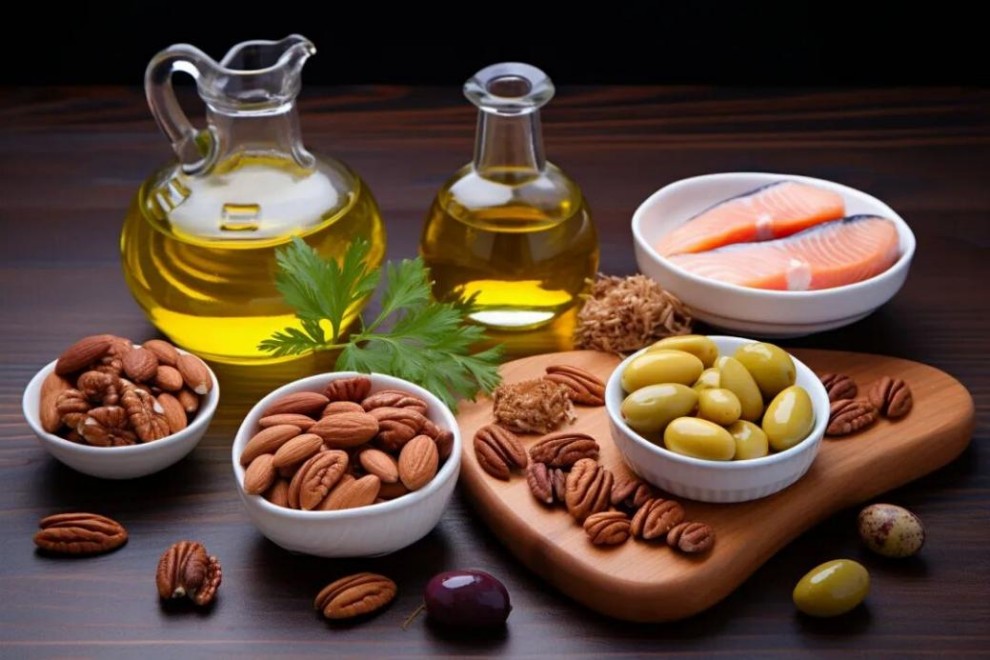
● China: As a new resource food, the recommended intake is ≤600 mg/d; for students and mentally active workers, it is recommended to take 100-300 mg per day.
● European Union: PS is approved for use in infant formula for children aged over 1 year. For middle-aged and elderly individuals, the recommended daily intake is 200-300 mg, with a safety upper limit of 300 mg.
● International Society of Sports Nutrition: For athletes, due to short-term stress demands, a daily intake of 400 mg is allowed.
Additionally, the general adult intake of PS from food is approximately 100-180 mg per day. If the dietary fat intake is low, the intake may be less than 50 mg/day, so some individuals may need an additional 100-300 mg of pure PS.
8. Precautions
● Pregnant or breastfeeding women should use PS under medical supervision.
● Individuals taking anticoagulant medications or antidepressants should consult a physician before use to avoid potential interactions.
● This product is a dietary supplement and should not be used as a substitute for medication.
References:
[1]Hussain M ,Khan I ,Chaudhary N M , et al. Phosphatidylserine: A comprehensive overview of synthesis, metabolism, and nutrition.[J].Chemistry and physics of lipids,2024,264105422.DOI:10.1016/J.CHEMPHYSLIP.2024.105422.
[2]Xiong W ,Fang B ,Wang X , et al. Dietary Lipid Intervention in the Prevention of Brain Aging[J].Engineering,2024,37128-137.DOI:10.1016/J.ENG.2023.04.012.
[3]Zhou P ,Yu X ,Song T , et al. Safety and efficacy of antioxidant therapy in children and adolescents with attention deficit hyperactivity disorder: A systematic review and network meta-analysis.[J].PloS one,2024,19(3):e0296926-e0296926.DOI:10.1371/JOURNAL.PONE.0296926.
[4]ZhenJing X ,Qian L ,Lin D , et al. A comparative study of the effects of phosphatidylserine rich in DHA and EPA on Aβ-induced Alzheimer's disease using cell models.[J].Food & function,2021,12(10):DOI:10.1039/D1FO00286D.
[5]Alisha B ,Joy N ,Douglas H , et al. Phosphatidylserine for the Treatment of Pediatric Attention-Deficit/Hyperactivity Disorder: A Systematic Review and Meta-Analysis.[J].Journal of alternative and complementary medicine (New York, N.Y.),2021,27(4):312-322.DOI:10.1089/ACM.2020.0432.
[6]Chang C L W . 6.68 IMPROVEMENT IN INATTENTION AND IMPULSIVITY/HYPERACTIVITY AFTER CONSUMING PHOSPHATIDYLSERINE-CONTAINING OMEGA-3 SUPPLEMENTS IN MULTI-ETHNIC ASIAN CHILDREN WITH ADHD[J].Journal of the American Academy of Child & Adolescent Psychiatry,2019,58(10S):S293-S293.DOI:10.1016/j.jaac.2019.08.460.
[7]NakagawaY ,YanoY ,LeeJ , et al. Apoptotic Cell-Inspired Polymeric Particles for Controlling Microglial Inflammation toward Neurodegenerative Disease Treatment[J].ACS Biomaterials Science & Engineering,2019,5(11):5705-5713.DOI:10.1021/acsbiomaterials.8b01510.
[8]Glade J M ,Smith K . Phosphatidylserine and the human brain[J].Nutrition,2015,31(6):781-786.DOI:10.1016/j.nut.2014.10.014.
[9]Osella C M ,Re G ,Badino P , et al. Phosphatidylserine (PS) as a potential nutraceutical for canine brain aging: A review[J].Journal of Veterinary Behavior: Clinical Applications and Research,2007,3(2):41-51.DOI:10.1016/j.jveb.2007.08.003.
[10]Toshihide K ,Marie-Hélène B ,Julien C , et al. Separation and characterization of late endosomal membrane domains.[J].The Journal of biological chemistry,2002,277(35):32157-64.
[11]Cunnane C S ,Schneider A J ,Tangney C , et al. Plasma and Brain Fatty Acid Profiles in Mild Cognitive Impairment and Alzheimer's Disease[J].Journal of Alzheimer's Disease,2011,29(3):691-697.DOI:10.3233/JAD-2012-110629.
[12]王康平,陈念念,张浩,等. 磷酯酰丝氨酸国内外法规对比分析及其检测技术研究进展[J].现代食品科技,2025,41(06):327-336.DOI:10.13982/j.mfst.1673-9078.2025.6.0393.
[13]付万冬,杨艳,周宇芳,等. n-3多不饱和磷脂酰丝氨酸对大鼠海马神经元细胞的抗凋亡作用研究[J].食品安全质量检测学报,2025,16(02):246-253.DOI:10.19812/j.cnki.jfsq11-5956/ts.20241025006.
[14]夏洪志. 基于斑马鱼模型评价磷脂酰丝氨酸对记忆力及认知力的改善作用[J].中国食品添加剂,2024,35(02):145-152.DOI:10.19804/j.issn1006-2513.2024.2.018.
[15]张垚.溶血磷脂酰丝氨酸型DHA的制备及其对阿尔兹海默症模型细胞及线虫的保护作用[D].江南大学,2022.DOI:10.27169/d.cnki.gwqgu.2022.000065.
[16]童观珍,梁丽敏,金昱龙. 磷酯酰丝氨酸的生物活性及其应用现状[J].中国食品添加剂,2021,32(04):117-122.DOI:10.19804/j.issn1006-2513.2021.04.020.
[17]陈頔,朴玮,黄建. 磷脂酰丝氨酸复合胶囊辅助改善记忆功能研究[J].中国食物与营养,2020,26(02):69-74.DOI:10.19870/j.cnki.11-3716/ts.2020.02.015.
[18]饶雪娥,林伟铃. 磷脂酰丝氨酸的应用研究进展[J].海峡药学,2015,27(11):9-11.DOI:CNKI:SUN:HAIX.0.2015-11-003.
[19]唐勇,张乾勇,糜漫天,等. 强化磷脂酰丝氨酸纯牛奶改善记忆力人群试食研究[J].重庆医学,2011,40(30):3022-3023+3026.DOI:CNKI:SUN:CQYX.0.2011-30-005.
[20]石飞龙,武芳冰,王佳焱,等. 磷脂酰丝氨酸脂质体的制备方法、结构及应用研究进展[J/OL].食品工业科技,1-13[2025-09-29].https://doi.org/10.13386/j.issn1002-0306.2025030367.
Latest Blogs
-
Sep. 21, 2026
【Food Antioxidants Series 6】 A Key Player in Lipid Preservation | Propyl Gallate (PG)
-
Sep. 21, 2026
[Exhibition Review] L&P Foods Showcases Diverse Ingredient Solutions at Fi Asia Indonesia 2026
-
Sep. 18, 2026
【Food Antioxidants Series 5】 A New Force in Natural Antioxidants | Marigold Flavonoids
-
Sep. 18, 2026
-
Sep. 15, 2026
How TBHQ Extends Shelf Life in Oils and Snacks: Mechanism and Usage Tips