
Industry Insights
-
")
Sep. 21, 2026
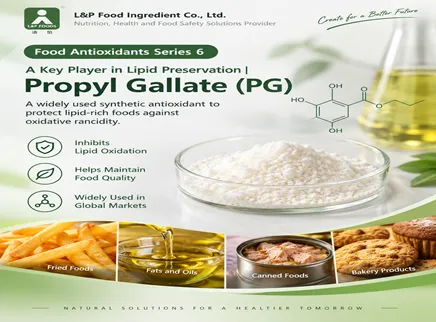
【Food Antioxidants Series 6】 A Key Player in Lipid Preservation | Propyl Gallate (PG)
In modern food manufacturing, Propyl Gallate (PG) is a widely used synthetic antioxidant valued for its distinctive antioxidant properties and practical application benefits. It plays an important role in protecting lipid-rich foods against oxidative rancidity and is commonly used to preserve fried foods, fats and oils, canned foods, and other products. PG is recognized as one of the classic oil-soluble antioxidants used in the food industry.
-

Sep. 18, 2026
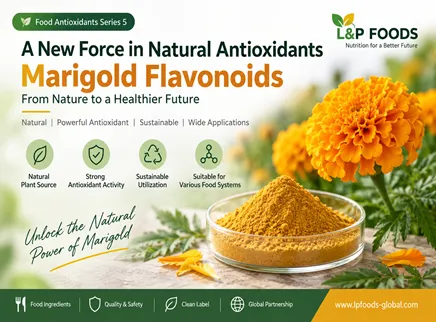
【Food Antioxidants Series 5】 A New Force in Natural Antioxidants | Marigold Flavonoids
In the field of natural food antioxidants, flavonoids have attracted growing attention for their strong antioxidant capacity and natural origin. They are emerging as a new antioxidant option in the food industry that combines functionality with environmental benefits, aligning with consumer demand for food additives that are natural, healthy, and sustainable.
-

Sep. 18, 2026
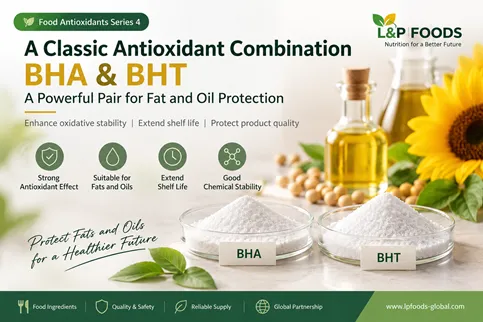
In modern food preservation systems for fat-rich foods, combining synthetic antioxidants is a widely used strategy to enhance oxidative stability and extend shelf life. Butylated Hydroxyanisole (BHA) and Butylated Hydroxytoluene (BHT) are a classic combination. With their complementary properties, they work synergistically to protect fats and oils from oxidation and have long been widely used in the food industry.
-

Sep. 15, 2026
How TBHQ Extends Shelf Life in Oils and Snacks: Mechanism and Usage Tips
TBHQ, or tert-Butylhydroquinone, is a synthetic antioxidant commonly used in food preservation. Its primary role is to prevent oxidative rancidity in oils and snacks, thereby extending their shelf life and maintaining quality.
-
")
Sep. 01, 2026
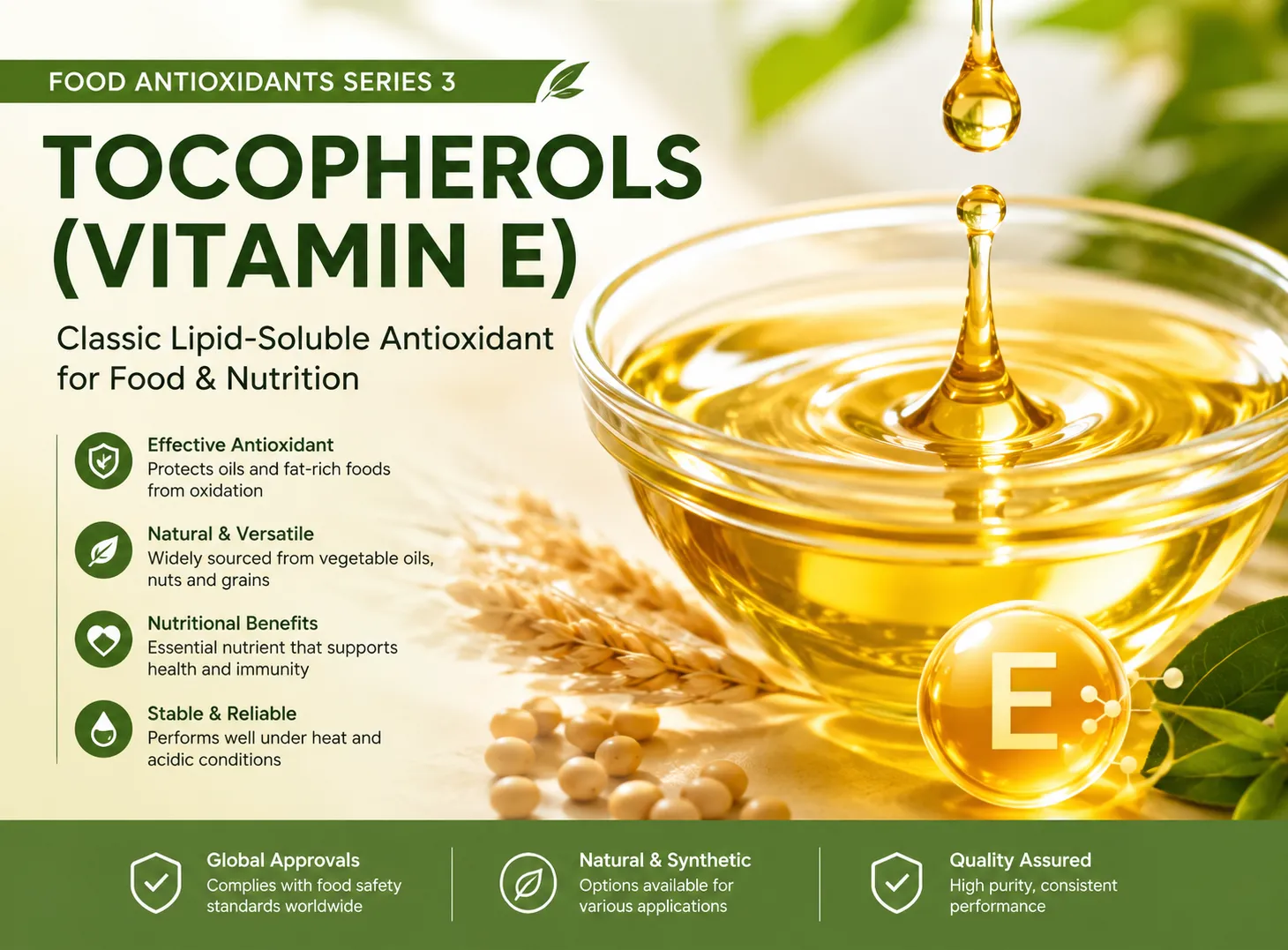
【Food Antioxidants Series 3】 Classic Lipid-Soluble Antioxidant | Tocopherols (Vitamin E)
In the antioxidant system of the food industry, tocopherols (Vitamin E) are classic and widely used lipid-soluble antioxidants [1]. As an essential nutrient for the human body, tocopherols provide dual benefits of food preservation and nutritional enhancement, making them an important natural antioxidant with both practical value and functional benefits. They are highly valued and widely adopted by the food industry.
-
")
Sep. 01, 2026
In the modern food industry, synthetic antioxidants have become a key solution for preserving fat-rich foods due to their cost-effectiveness, excellent antioxidant performance, and stable protective effects. Among them, Tertiary Butylhydroquinone (TBHQ) is one of the most widely used antioxidants, recognized for its outstanding efficacy in extending the shelf life and maintaining the quality of oil-based food products.
-

Aug. 12, 2026
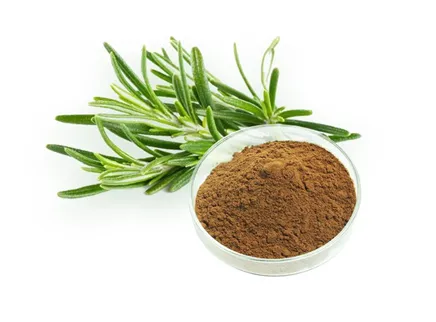
【Food Antioxidants Series 1】 A Natural and Efficient Antioxidant Solution | Rosemary Extract
With growing consumer demand for “natural” and “clean-label” foods, natural antioxidants are gradually replacing some synthetic antioxidants and becoming a rising choice in the food industry.