
Industry Insights
-
: A Natural Active Ingredient for Improving Cerebral Circulation")
May. 11, 2026
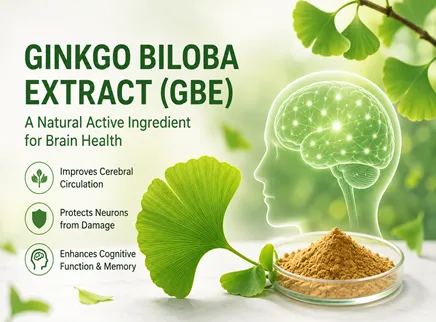
Ginkgo Biloba Extract (GBE) is a mixture of bioactive compounds extracted and purified from the dried leaves of Ginkgo biloba. Its principal active components are flavone glycosides and terpene lactones [1]. Among them, Ginkgolide B has been widely studied for its role in improving neurodegenerative disorders. As a “living fossil” plant that has survived for more than 200 million years, Ginkgo biloba has a long history of medicinal use. Modern research confirms that GBE is a high-value natural ingredient for improving cerebral blood circulation and supporting brain function.
-
 Wins the FBIF WOW “Best Technology Application Innovation Award”")
May. 11, 2026
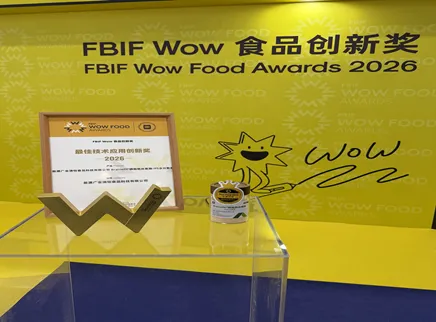
At the 2026 FBIF WOW Food Awards, L&P Food Ingredient Co., Ltd. (L&P Foods) was honored with the Best Technology Application Innovation Award for its Brainefit® Water-Dispersible Phosphatidylserine (PS).
-

May. 07, 2026
【Brain Health Ingredient Series 7】Taurine – The “Natural Amino Acid Guardian” for Brain Protection
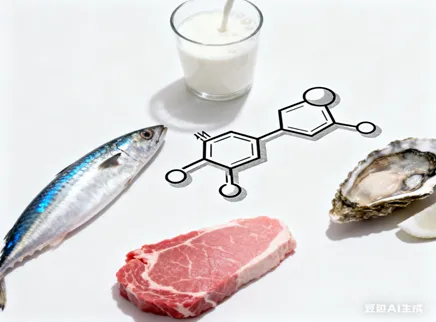
Taurine, also known as β-aminoethanesulfonic acid, is a sulfur-containing amino acid that exists in a free form in the human body [1]. Although it does not participate in protein synthesis, it is considered a conditionally essential nutrient for humans.
-
: The “Choline Donor” That Activates the Brain")
Apr. 27, 2026
L-α-Glycerylphosphorylcholine (L-alpha-GPC, commonly referred to as L-α-GPC or GPC) is a naturally occurring phospholipid compound. It is an essential component of human cell membranes and is widely distributed in tissues such as the brain and liver, with particularly high concentrations in the brain. It can also be obtained from dietary sources including egg yolk, milk, and soybeans.
-
: The “Neural Gold” for Building the Brain")
Apr. 20, 2026
Docosahexaenoic acid (DHA) is an omega-3 polyunsaturated fatty acid [1] that the human body cannot synthesize on its own, and thus must be obtained from dietary sources. It is classified as an 'essential fatty acid.'
-
: The “Phospholipid Precursor” for Neural Repair")
Apr. 17, 2026
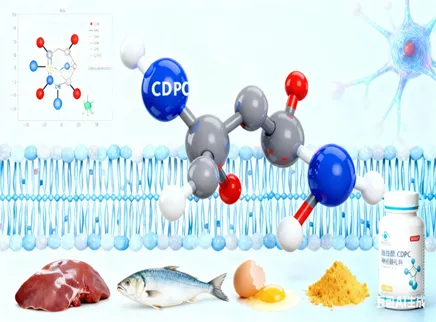
【Brain Health Ingredient Series 4】 Citicoline (CDPC): The “Phospholipid Precursor” for Neural Repair
Cytidine-5'-diphosphocholine, also known as Citicoline (CDPC), is a phospholipid precursor that can be synthesized endogenously in the human body.
-
: The Natural Neurotransmitter That Helps the Brain De-Stress")
Apr. 10, 2026
Gamma-aminobutyric acid (GABA) is a naturally occurring non-protein amino acid and the most abundant inhibitory neurotransmitter in the mammalian central nervous system. About 30% of synapses use it to transmit signals, making it the key regulator of the brain’s balance between excitation and inhibition