

【Sweeteners Series 1】 Sucralose: The “Zero-Calorie Champion” for a Healthier Sweetness
Nov. 02, 2026
As global demand for low-sugar and sugar-free foods continues to grow, sweeteners are increasingly used as alternatives to sucrose across a wide range of food and beverage applications.
Among them, sucralose has become one of the most widely used high-intensity sweeteners thanks to its high sweetness, excellent stability, and well-established safety profile.
Today, let’s take a closer look at sucralose from several perspectives and explore why it has become a popular choice for reducing sugar while maintaining a satisfying sweet taste.
1. What Is Sucralose and Where Does It Come From?
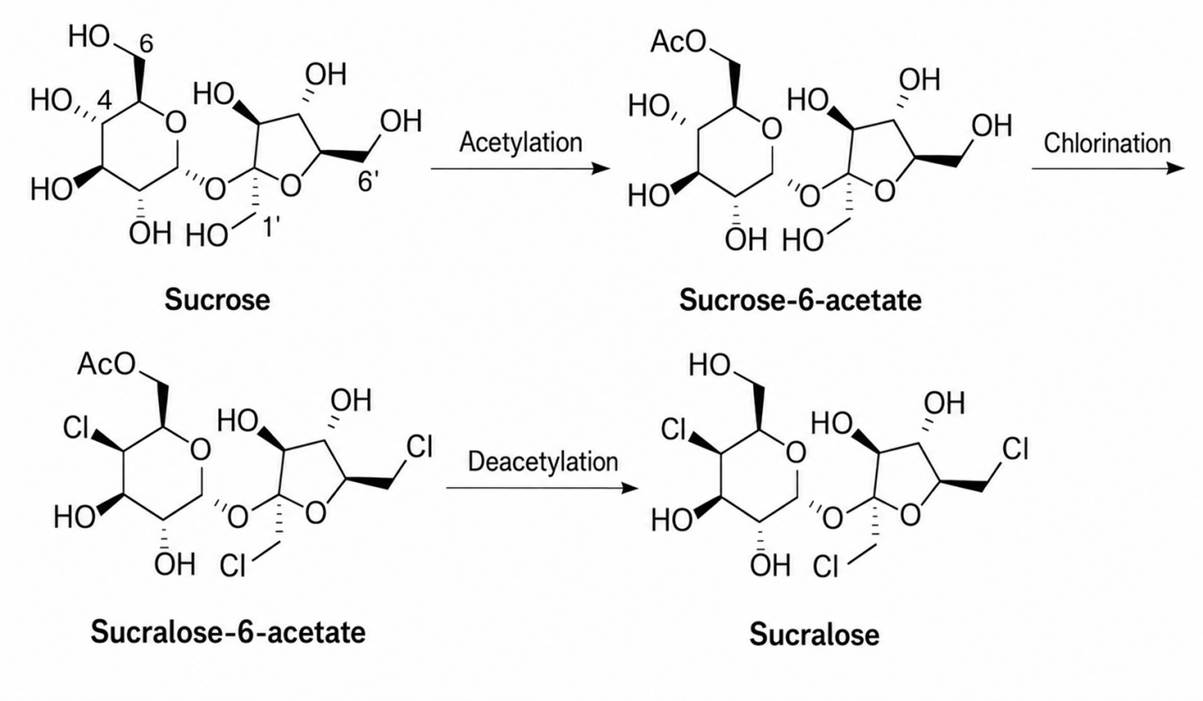
Image source: WeChat Official Account “知食有我”
Sucralose, also known as trichlorosucrose, is a synthetic sweetener [1]. Its chemical name is 1′,4,6′-trichloro-1′,4,6′-trideoxy-α-D-galactosucrose, with the molecular formula C₁₂H₁₉Cl₃O₈ and a relative molecular mass of 397.64.
It is produced from sucrose through a specific chemical process in which three hydroxyl groups in the sucrose molecule are selectively replaced by chlorine atoms.
2. Basic Properties: An Outstanding High-Intensity Sweetener
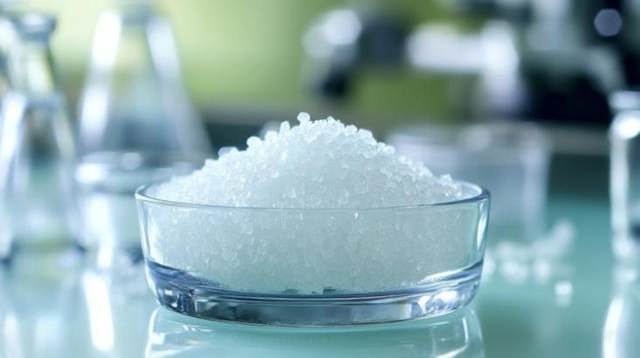
Image source:Droitstock
Physicochemical properties:
(1)Appearance and odor: White to off-white crystalline powder, odorless and non-hygroscopic.
(2)Stability: Highly stable under light, heat, and a wide range of pH conditions [9].
(3)Solubility: Highly soluble in water (28.2 g/100 mL at 20°C), methanol, and ethanol, and slightly soluble in ether [5]. The pH of a 10% aqueous solution ranges from 5 to 8.
(4)Taste characteristics: Approximately 400–800 times sweeter than sucrose, with 600 times commonly used as a reference value. Its sweetness profile is very similar to that of sucrose, without undesirable aftertastes such as bitterness or metallic notes, helping deliver a clean, sugar-like sweetness.
(5)Flavor modulation: It can help reduce sourness and saltiness and mask undesirable tastes such as astringency, bitterness, and alcoholic notes [2]. It may also enhance certain flavor characteristics, including spicy and creamy notes.
Biological characteristics:
(1)Metabolism: Sucralose is minimally absorbed by the human body and is largely not metabolized. It contributes virtually no calories [3], with most of the ingested amount excreted unchanged. It has little effect on blood glucose levels, making it suitable for low-calorie and weight-management food formulations.
(2)Oral health: Sucralose is not readily utilized by cariogenic oral bacteria. It can therefore help limit acid production and does not promote tooth decay in the same way as fermentable sugars [7].
3. Regulatory Status: Widely Approved for Food Use
China: Sucralose was officially approved as a food additive in China in 1997. Under the National Food Safety Standard for Uses of Food Additives (GB 2760-2024), sucralose is permitted as a sweetener in specified food categories, with maximum use levels established for different applications.
Internationally: Sucralose has been evaluated and approved for use by major food safety and regulatory authorities worldwide, including the U.S. Food and Drug Administration (FDA), the European Food Safety Authority (EFSA), Japan’s Ministry of Health, Labour and Welfare, Health Canada, and the Joint FAO/WHO Expert Committee on Food Additives (JECFA).
Today, sucralose has been approved for use as a food sweetener in more than 100 countries and regions worldwide [8].
4. Safety and Acceptable Daily Intake
(1)Safety
• Extensive safety evaluations have shown that sucralose, when consumed within established intake limits, does not pose adverse effects on reproductive, neurological, or immune systems and has not been shown to increase cancer risk under approved conditions of use [4].
• Major regulatory authorities, including the U.S. FDA, EFSA, and relevant Chinese food safety authorities, have conducted safety assessments and approved sucralose for use in foods within specified conditions and limits.
(2)Acceptable Daily Intake (ADI)
• JECFA and other authorities have established an ADI for sucralose of 0–15 mg/kg body weight per day [6]. Typical dietary exposure is generally well below this level.
• The U.S. FDA has established an ADI of 5 mg/kg body weight per day [11].
• Health Canada has established an ADI of 9 mg/kg body weight per day.
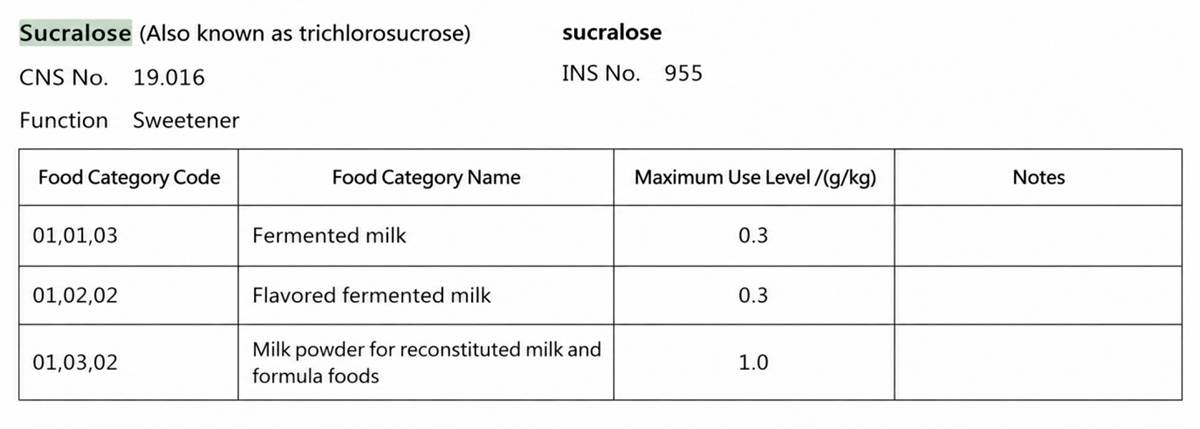
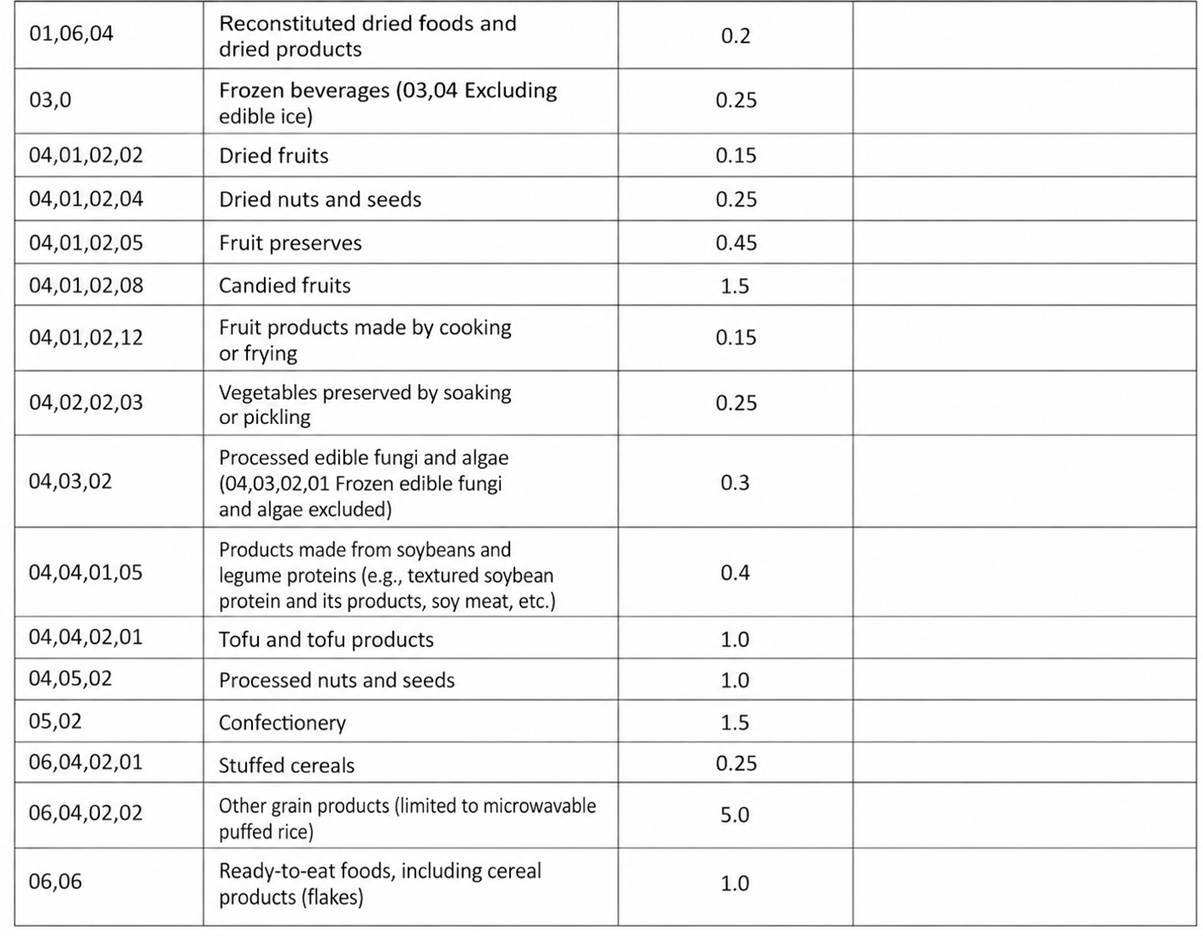
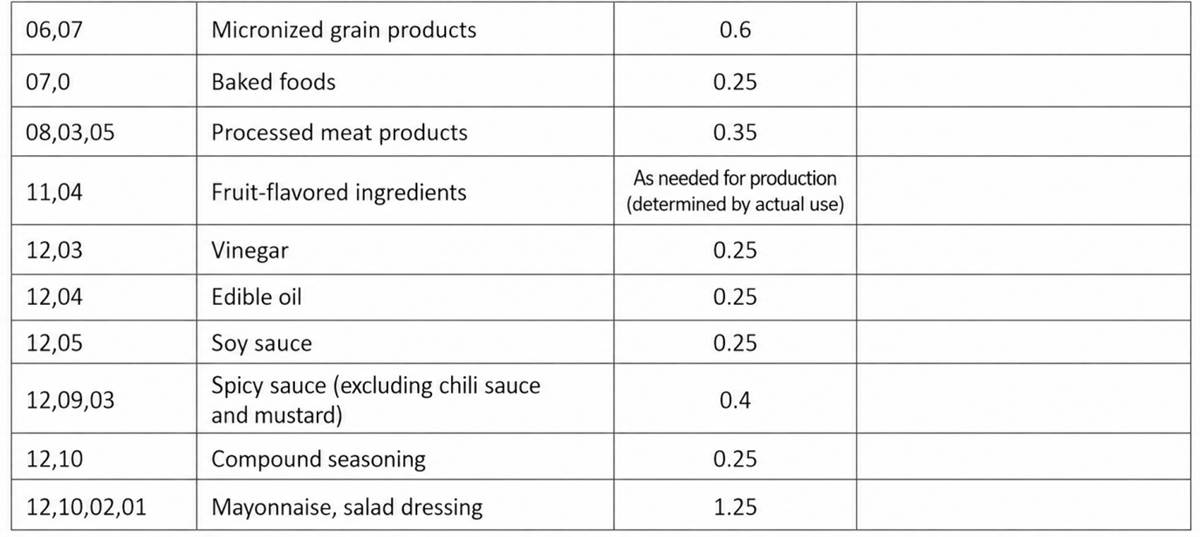
5. Applications and Maximum Use Levels
China: The National Food Safety Standard for Uses of Food Additives (GB 2760-2024) specifies the permitted food categories and maximum use levels for sucralose.
6. Development Trends
(1)Production technology improvement: Future development will mainly focus on three areas: improving synthesis processes through the monoester synthesis method, upgrading separation and purification technologies through advanced techniques such as membrane separation, and developing greener, low-carbon processes to reduce wastewater, waste gas, and solid waste while improving resource utilization.
(2)Blending with other sweeteners: Sucralose can be combined with allulose, erythritol, and other sweeteners to further optimize the sweetness profile, reduce formulation costs, and achieve a synergistic “1+1>2” effect.
7. Precautions: Proper Use for Better Results
(1)Avoid excessive intake: Although sucralose itself is minimally metabolized by the body, excessive consumption may affect insulin and blood glucose responses and could potentially contribute to weight gain or adversely affect individuals with diabetes [10]. High intake may also influence the composition and activity of the gut microbiota, potentially leading to gastrointestinal discomfort such as diarrhea or bloating.
(2)Processing conditions: When sucralose is exposed to high temperatures, particularly above 120°C, it may undergo dechlorination and degradation, potentially forming undesirable chlorinated compounds. Therefore, appropriate temperature and processing conditions should be carefully evaluated when sucralose is used in high-temperature applications such as baking, roasting, or frying.
With its excellent stability and clean, sugar-like sweetness, sucralose has become an important sweetening ingredient in the food industry. Whether developing a new sugar-free beverage or improving the formulation of a baked product, sucralose offers a versatile and reliable sweetening solution.
References:
[1]赵美法,吴世芳,颜正翔,等. 三氯蔗糖的工业现状与发展[J].中国氯碱,2025,(03):33-38.
[2]李正钰,隋佳怡,周思远,等. 三氯蔗糖在食品中的应用概况及检测方法[J].广西糖业,2024,44(01):22-26.
[3]黄柯,郑积敏,杨春霞. 无营养性甜味剂——替代糖[J].化学教育(中英文),2024,45(02):1-12.DOI:10.13884/j.1003-3807hxjy.2022100208.
[4]陈思,陈保华. 关于三氯蔗糖的安全思考[J].现代食品,2023,29(20):22-24.DOI:10.16736/j.cnki.cn41-1434/ts.2023.20.006.
[5]肖燕,向秋平,李慧敏. 食品中三氯蔗糖的测定方法改进[J].食品工业,2019,40(09):249-252.
[6]阮光锋. 三氯蔗糖的安全性解读[J].饮料工业,2016,19(01):73.
[7]李新玲. 三氯蔗糖的特性及其在乳制品中的应用[J].中国奶牛,2013,(17):55-56.
[8]张玉,吴慧明,徐丽红,等. 三氯蔗糖的安全性研究进展[J].食品工业科技,2011,32(11):472-474.DOI:10.13386/j.issn1002-0306.2011.11.132.
[9]梁莹,崔炳群,蒋启国,等. 三氯蔗糖在青梅果酒中的应用[J].中国食品添加剂,2008,(06):123-126.
[10]Wood S ,John B ,Hawkins D . The pharmacokinetics and metabolism of sucralose in the dog[J].Food and Chemical Toxicology,2000,3899-106.DOI:10.1016/S0278-6915(00)00031-4.
[11]Baird I ,Shephard N ,Merritt R , et al. Repeated dose study of sucralose tolerance in human subjects[J].Food and Chemical Toxicology,2000,38123-129.DOI:10.1016/S0278-6915(00)00035-1.
Latest Blogs
-
Nov. 03, 2026
[Exhibition Review] L&P Foods Explores New Opportunities in Nutrition at SupplySide Global
-
Nov. 02, 2026
【Sweeteners Series 1】 Sucralose: The “Zero-Calorie Champion” for a Healthier Sweetness
-
Oct. 29, 2026
-
Dec. 23, 2026
Ca-HMB in Active Aging Nutrition: Formulation Considerations for Muscle Health Products
-
Dec. 11, 2026
How to Prevent Rancidity in Fried Snacks and Roasted Nuts During Storage